
Introduction

A Global Perspective on Acupuncture Through Science, Clinical Practice, and Innovation
Established in 2008 under the College of Chinese Medicine at China Medical University (CMU), the International Master Program in Acupuncture (IMPA) is dedicated to advancing acupuncture through the integration of traditional Chinese medicine and modern biomedical science.
Building on the College's longstanding commitment to Chinese medicine education and research, the program provides an international learning environment for healthcare professionals and aspiring researchers from diverse academic backgrounds. Through interdisciplinary education, evidence-informed research, and clinical observation, students gain a deeper understanding of acupuncture's theoretical foundations, therapeutic applications, and scientific mechanisms.
Delivered entirely in English, the program is designed to cultivate globally minded professionals who can bridge traditional medical knowledge with contemporary healthcare and contribute to the advancement of acupuncture worldwide.
THREE PILLARS OF ACADEMIC EXCELLENCE
01 | Research Excellence
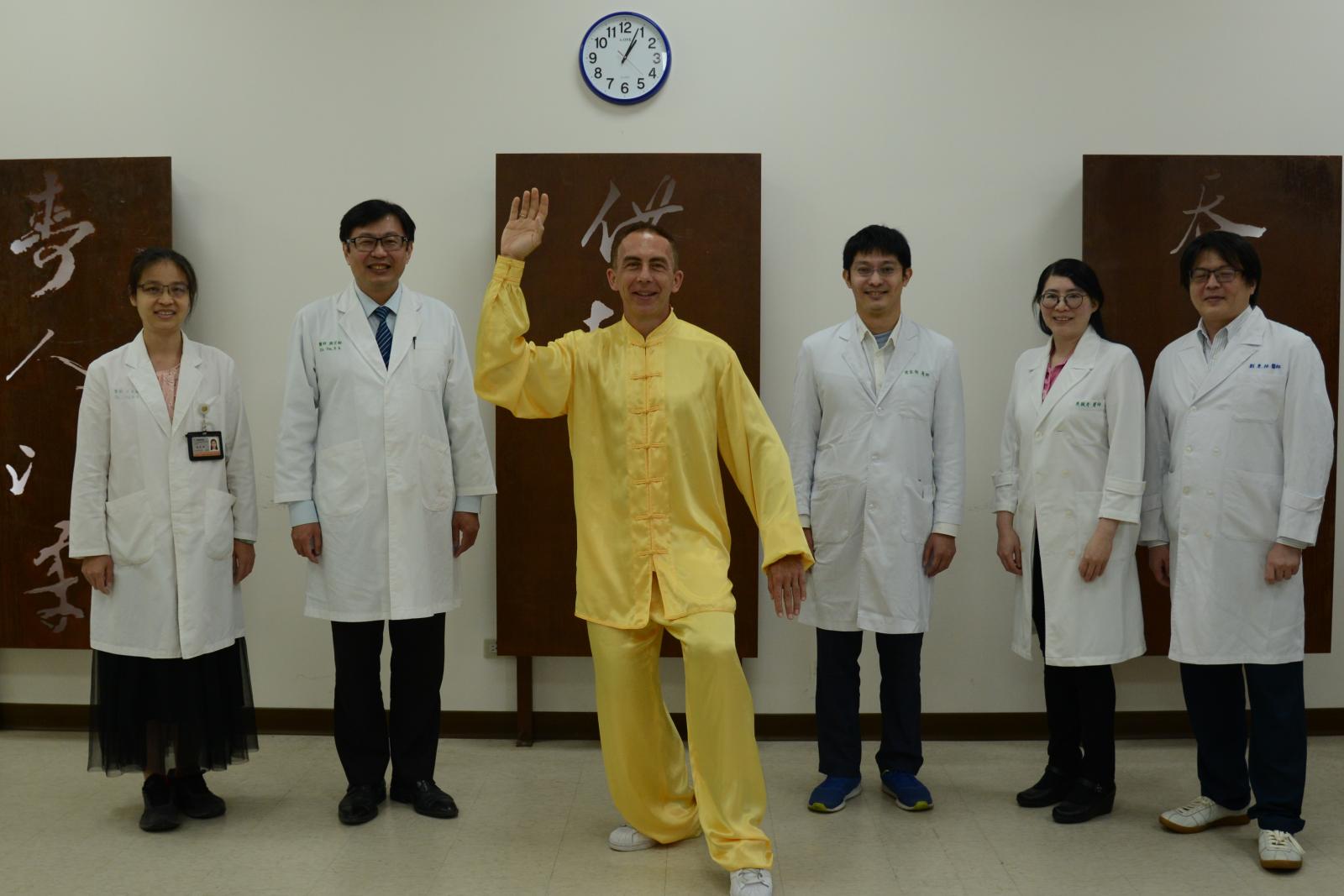
Bridging Traditional Knowledge and Modern Science
At China Medical University, acupuncture research extends beyond traditional meridian theories to explore the scientific foundations and therapeutic mechanisms of acupuncture through modern biomedical approaches.
Our research focuses on the 14 meridians and their associated acupoints, integrating clinical investigations, experimental studies, neurophysiology, and advanced medical imaging to explore how acupuncture works and how its therapeutic potential can be further developed.
Key Research Areas
-
Neurological Disorders: Investigating acupuncture interventions and underlying mechanisms in stroke-related neurological deficits and central nervous system disorders.
-
Pain Management: Exploring the analgesic effects of acupuncture in inflammatory, neuropathic, and chronic pain conditions.
-
Acupuncture Mechanisms: Examining the neurobiological and cellular mechanisms underlying acupuncture stimulation and therapeutic responses.
-
Innovative Therapeutic Applications: Investigating acupuncture's potential applications in itch-related conditions, allergic responses, and substance addiction.
-
Digital and Translational Innovation: Applying advanced medical imaging and three-dimensional (3D) reconstruction technologies to explore the anatomical and functional characteristics of meridians and acupoints.
Research Meets Innovation
Our research environment connects traditional meridian-acupoint theories with contemporary scientific technologies, including animal models, molecular investigations, and 3D human meridian visualization. These interdisciplinary approaches aim to generate scientific evidence, advance clinical understanding, and expand the international recognition of acupuncture.
02 | Clinical Training

480 Hours of Clinical Learning and Professional Exposure
Clinical experience is an essential component of the IMPA educational journey. The clerkship takes place at China Medical University Hospital, where students learn from experienced Chinese medicine physicians and observe the application of acupuncture in diverse clinical settings.
Through a structured 480-hour clinical clerkship, students gain first-hand exposure to the practice of traditional Chinese medicine across a range of specialties, including musculoskeletal disorders, traumatology, neurology, internal medicine, pediatrics, gynecology, and andrology. By observing patient consultations and clinical decision-making, students develop a deeper understanding of how acupuncture and other Chinese medicine approaches are applied in diverse clinical settings.
Students are also introduced to a range of traditional and contemporary acupuncture techniques, including distinctive approaches practiced in Taiwan, such as Tung-style acupuncture, Fu's Subcutaneous Needling, and acupotomy. This clinical experience broadens students' understanding of acupuncture practice and exposes them to the diversity of treatment approaches in contemporary Chinese medicine.
03 | Academic Curriculum
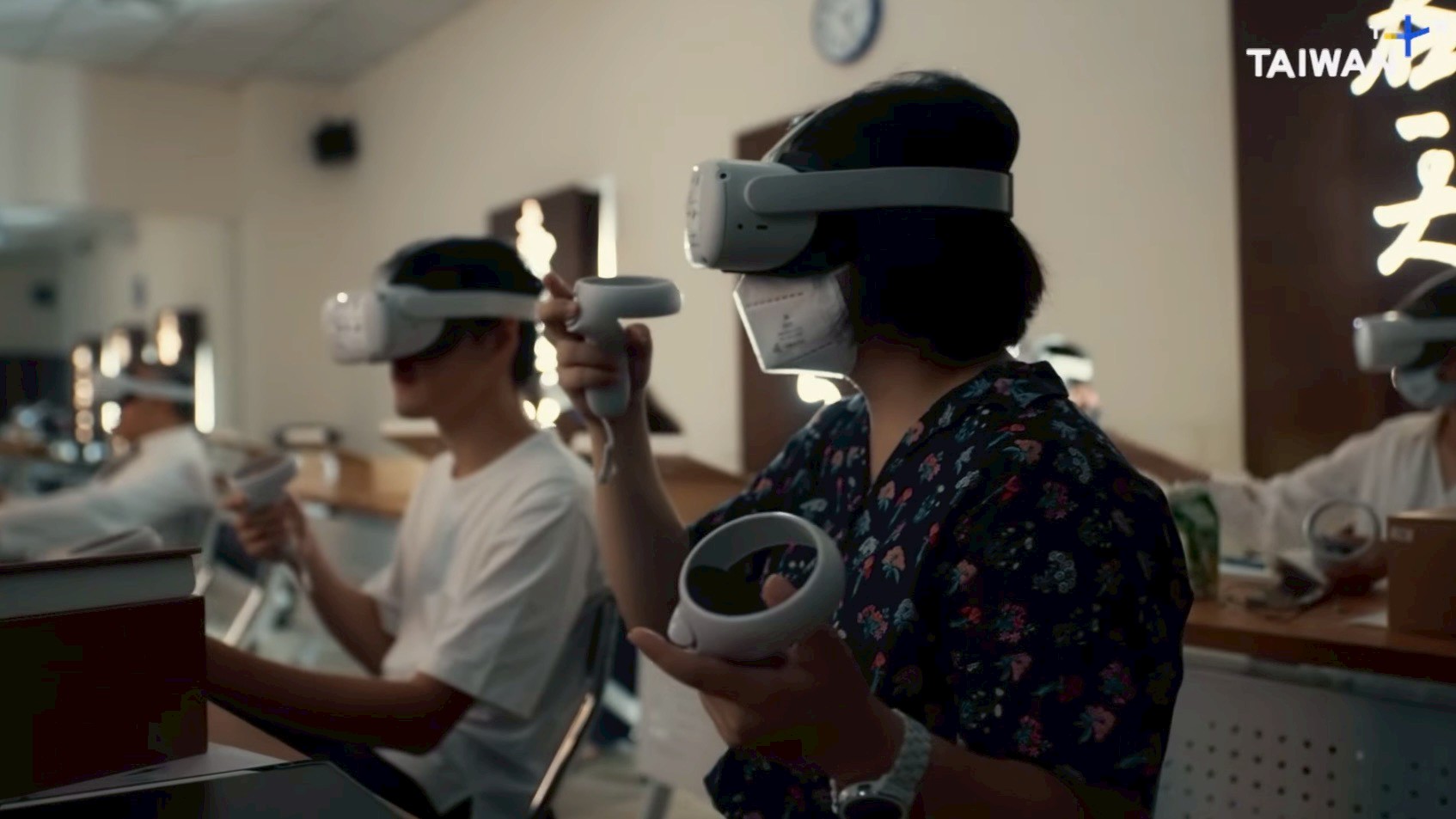
A Research-Oriented Education in Acupuncture and Biomedical Science
The IMPA curriculum combines traditional Chinese medicine, modern biomedical sciences, and evidence-based research to provide students with a comprehensive understanding of acupuncture.
With 100% English-medium instruction and small class sizes, the program fosters interactive learning and close faculty mentorship. We also continuously enhance our teaching environment through advanced educational technologies, including Virtual Reality (VR) equipment, enabling students to explore acupuncture concepts through immersive and interactive learning experiences.
Students develop critical thinking and independent research skills through faculty-guided studies and master's thesis projects, preparing them to contribute to the advancement of acupuncture and integrative medicine.
For detailed curriculum information, please visit here.
International Academic Seminars & Global Engagement
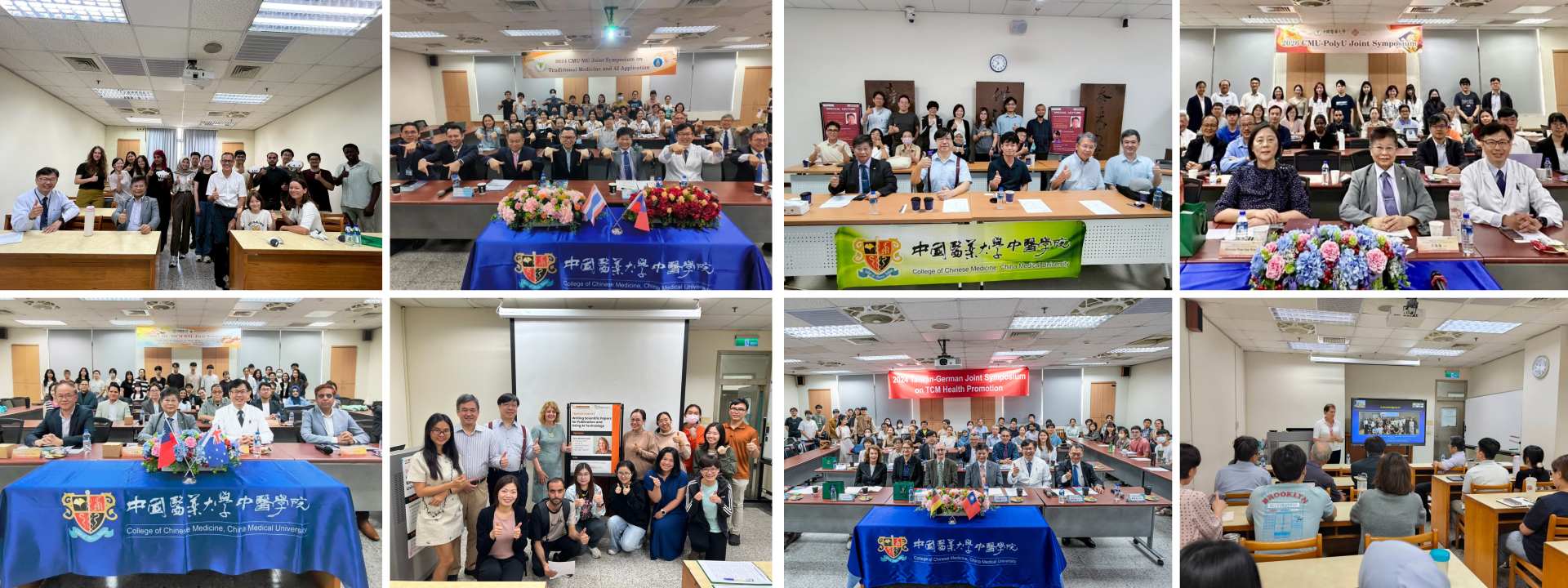
Beyond the classroom, the program regularly organizes international academic seminars and scholarly forums, inviting distinguished experts, leading researchers, and experienced practitioners from Taiwan and around the world to share their latest insights, research developments, and professional experiences.
Through direct engagement with internationally recognized scholars and industry leaders, students gain exposure to emerging trends, innovative clinical applications, and real-world perspectives in acupuncture and integrative medicine. These academic exchanges foster interdisciplinary dialogue, broaden global perspectives, and connect students with the evolving landscape of international healthcare and biomedical research.
SHAPING THE FUTURE OF ACUPUNCTURE
At the International Master Program in Acupuncture, we believe that the future of acupuncture lies in the meaningful integration of traditional wisdom, modern scientific discovery, and global collaboration.
By bringing together research excellence, clinical learning, and interdisciplinary education, we empower the next generation of acupuncture professionals and researchers to advance evidence-informed practice, expand scientific understanding, and contribute to the future of global healthcare.