
Bridging Eastern and Western Medicine: China Medical University Strengthens Global Partnerships in Integrative Oncology
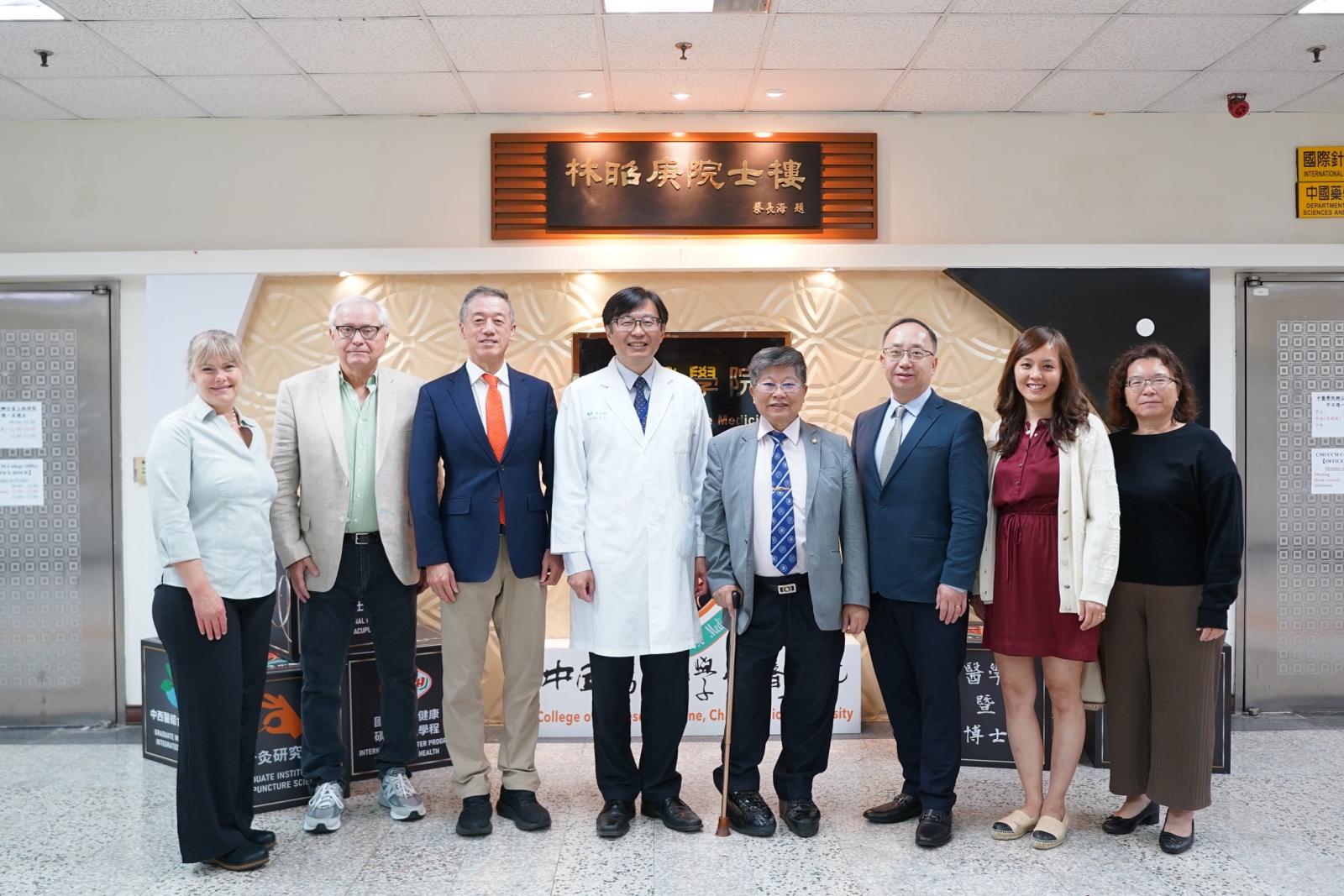
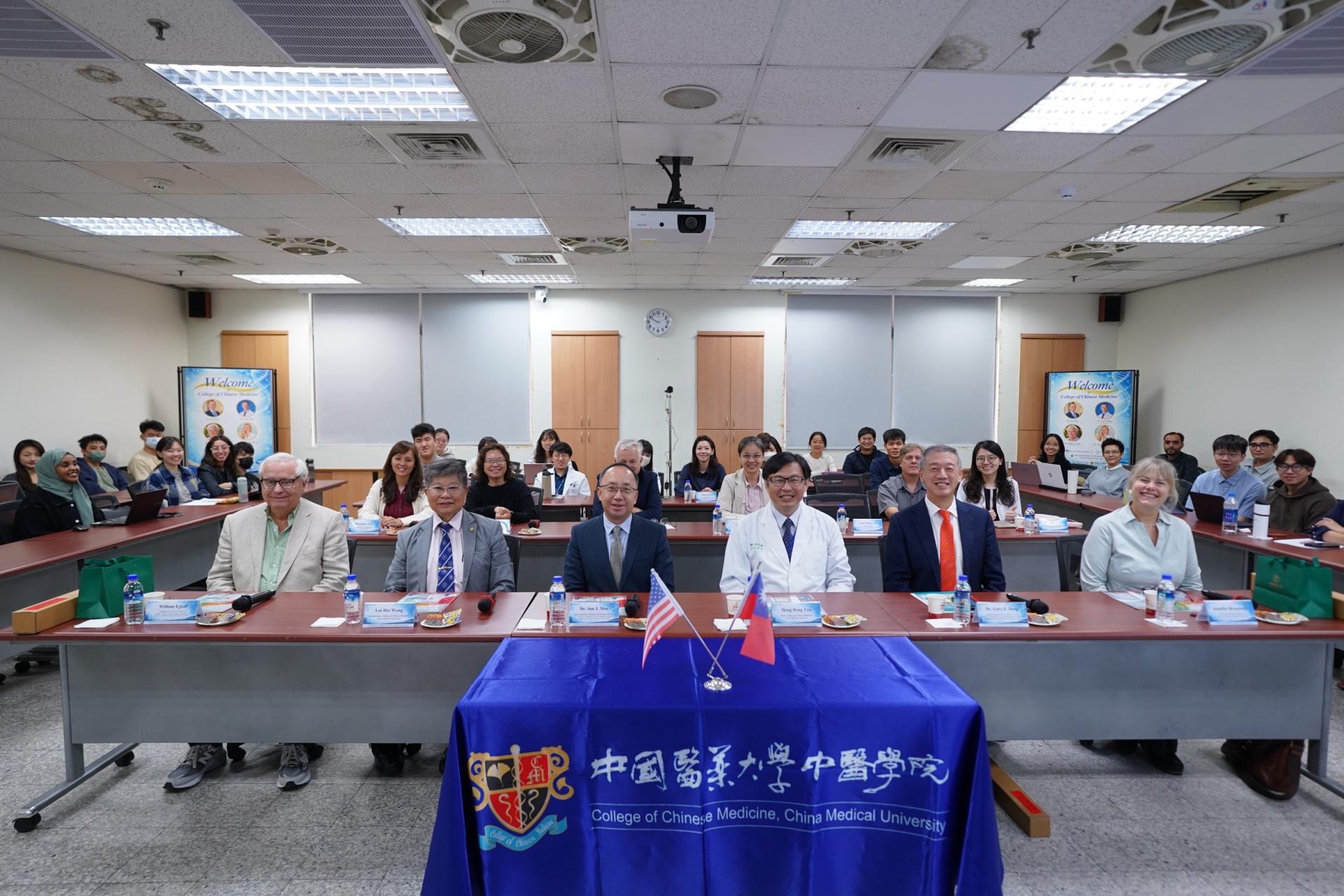
China Medical University (CMU), through its College of Chinese Medicine and Chinese Medicine Research Center, welcomed a delegation of distinguished experts in integrative medicine from leading U.S. medical institutions on November 24, 2026. The visit featured academic lectures, institutional exchanges, and research discussions focusing on evidence-based integrative oncology, East-West medical integration, whole-person cancer care, and opportunities for future international research collaboration.
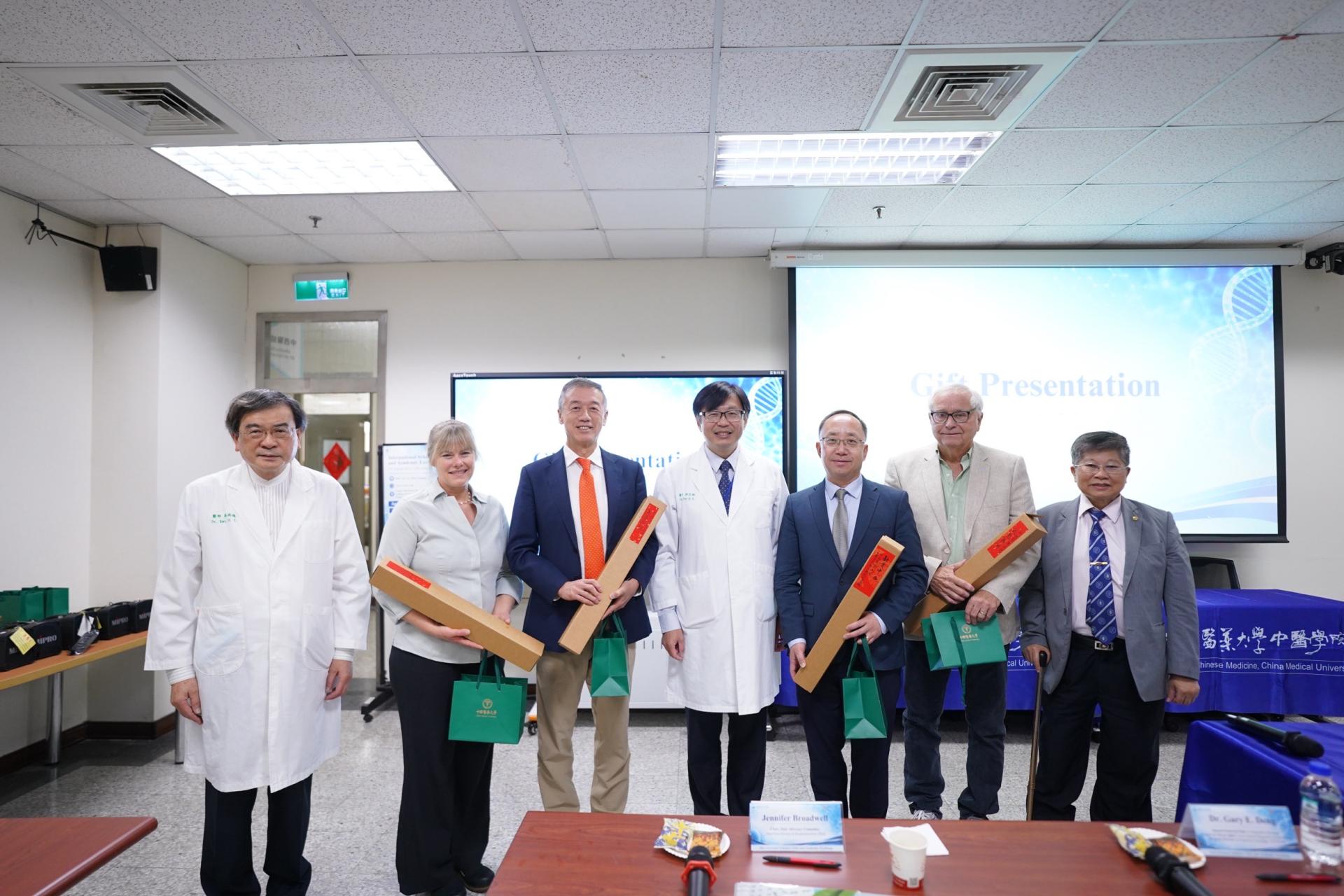
The distinguished delegation included Dr. Jun J. Mao, Chief of the Integrative Medicine Service and Laurance S. Rockefeller Chair in Integrative Medicine at Memorial Sloan Kettering Cancer Center (MSKCC), New York, and Dr. Gary E. Deng, Samueli Endowed Chair in Integrative Oncology, Director of Clinical Affairs at the Susan Samueli Integrative Health Institute, and Program Director of Integrative Oncology at UCI Health, University of California, Irvine (UCI). Both are internationally recognized leaders in integrative medicine and oncology, with extensive experience in clinical practice, evidence-based research, and the advancement of integrative cancer care.
The delegation also included Mr. William Egloff, President of Crane Herb Company and Chair of the Chinese Herbal Products Committee at the American Herbal Products Association (AHPA), and Ms. Jennifer Broadwell, Chair of the State Advocacy Committee at the American Society of Acupuncturists (ASA).
Advancing Evidence-based Integrative Oncology and Whole-Person Care
The academic program opened with welcome remarks by Dr. Hung-Rong Yen, Dean of College of Chinese Medicine at CMU, who introduced the College's development and achievements in Chinese medicine education, clinical practice, scientific research and international engagement. Academician Lu-Hai Wang subsequently presented the research directions and academic development of the Chinese Medicine Research Center. Dr. Shung-Te Kao, Vice Superintendent of the Department of Chinese Medicine at China Medical University Hospital (CMUH), also joined the delegation for academic exchanges.
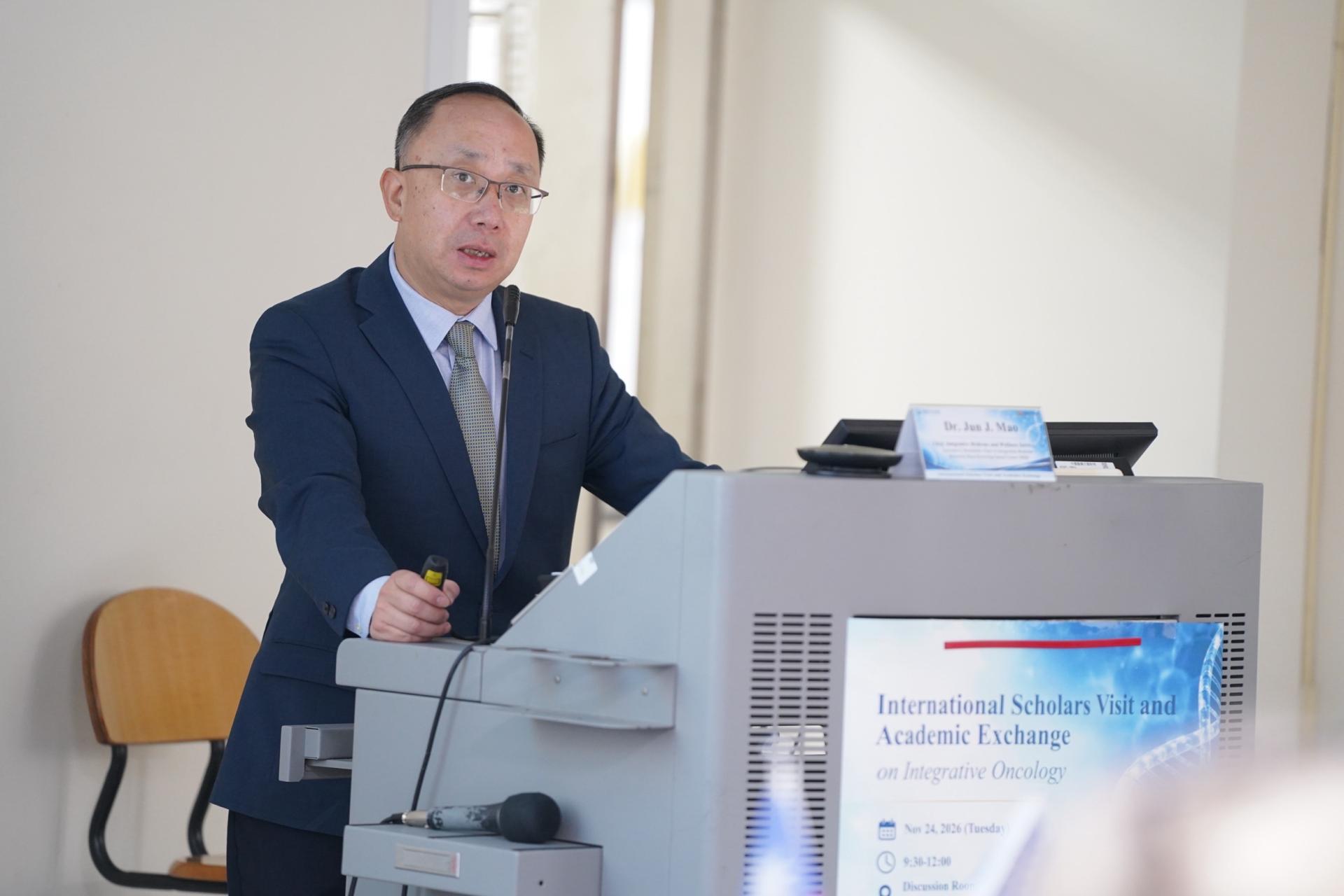
In Dr. Jun Mao's lecture, "Evidence-based Integrative Oncology", he explored the clinical applications of integrative oncology from an evidence-based perspective. He discussed how scientifically supported integrative therapies can be incorporated into modern cancer care to help patients manage symptoms, alleviate treatment-related side effects and improve quality of life. His presentation highlighted the growing importance of integrative medicine in supportive cancer care and the need to establish rigorous clinical evidence for its application.
Over the past several years, MSKCC and the research team led by Dr. Hung-Rong Yen at CMU have established an ongoing academic collaboration, utilizing Taiwan's extensive real-world cancer data to conduct retrospective studies on breast cancer and gastrointestinal cancers. These studies investigate the associations between adjunctive Chinese herbal medicine use and clinical outcomes among cancer patients, contributing to the growing body of real-world evidence (RWE) supporting the potential role of Chinese herbal medicine in supportive cancer care.
This international research partnership demonstrates the unique strengths of Taiwan's integrated East-West healthcare system and its rich clinical data resources. It also provides an important scientific foundation for advancing Chinese medicine research within the global field of integrative oncology.
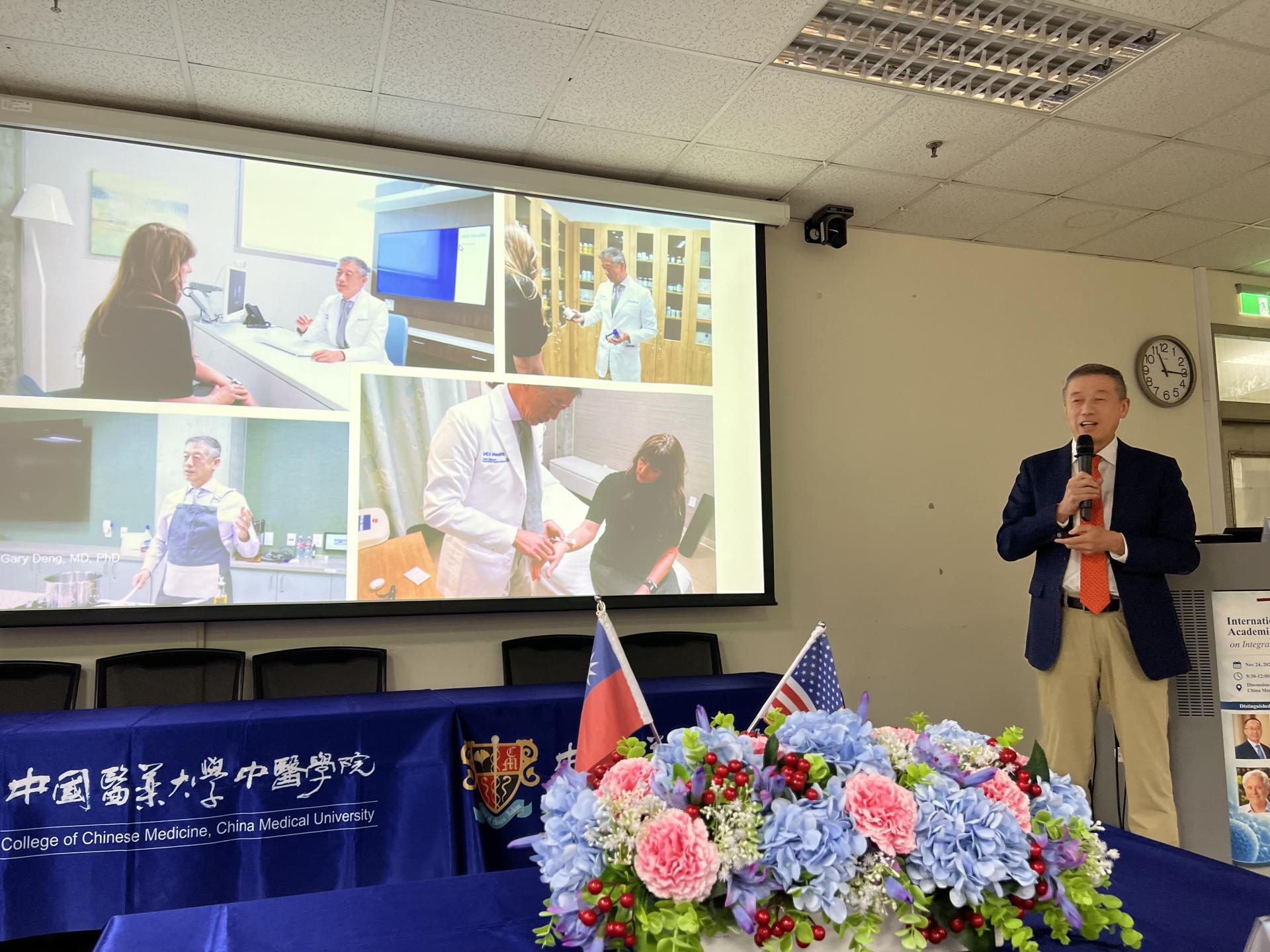
Dr. Gary Deng delivered a lecture entitled "How Integrating Eastern and Western Medicine Enhances Whole-Person Cancer Care". He emphasized that comprehensive cancer care should extend beyond disease-focused treatment to address patients' overall physical, psychological, and emotional well-being. His presentation explored key dimensions of whole-person care, including stress management, sleep quality, physical activity, nutritional support, and lifestyle modifications. He highlighted the importance of patient-centered care and the complementary roles of Eastern and Western medicine in improving the overall cancer care experience.
Both lectures generated enthusiastic discussions among faculty members, clinicians, and students. The event brought together young physicians from CMUH's Department of Chinese Medicine, along with faculty members and students from CMU's College of Chinese Medicine, providing valuable opportunities for direct engagement with internationally renowned experts. These exchanges broadened participants' global perspectives and offered insights into future directions in clinical practice and academic research.
Integrating Chinese Medicine and Healthcare Big Data to Foster Research Innovation
In the afternoon, the delegation visited the Lifu Museum of Chinese Medicine, where they explored the history, cultural heritage and academic development of Chinese medicine. The visitors were particularly impressed by the museum's extensive and diverse collections, showing great interest in the exhibits and engaging enthusiastically with the guided explanations and displays throughout the museum.

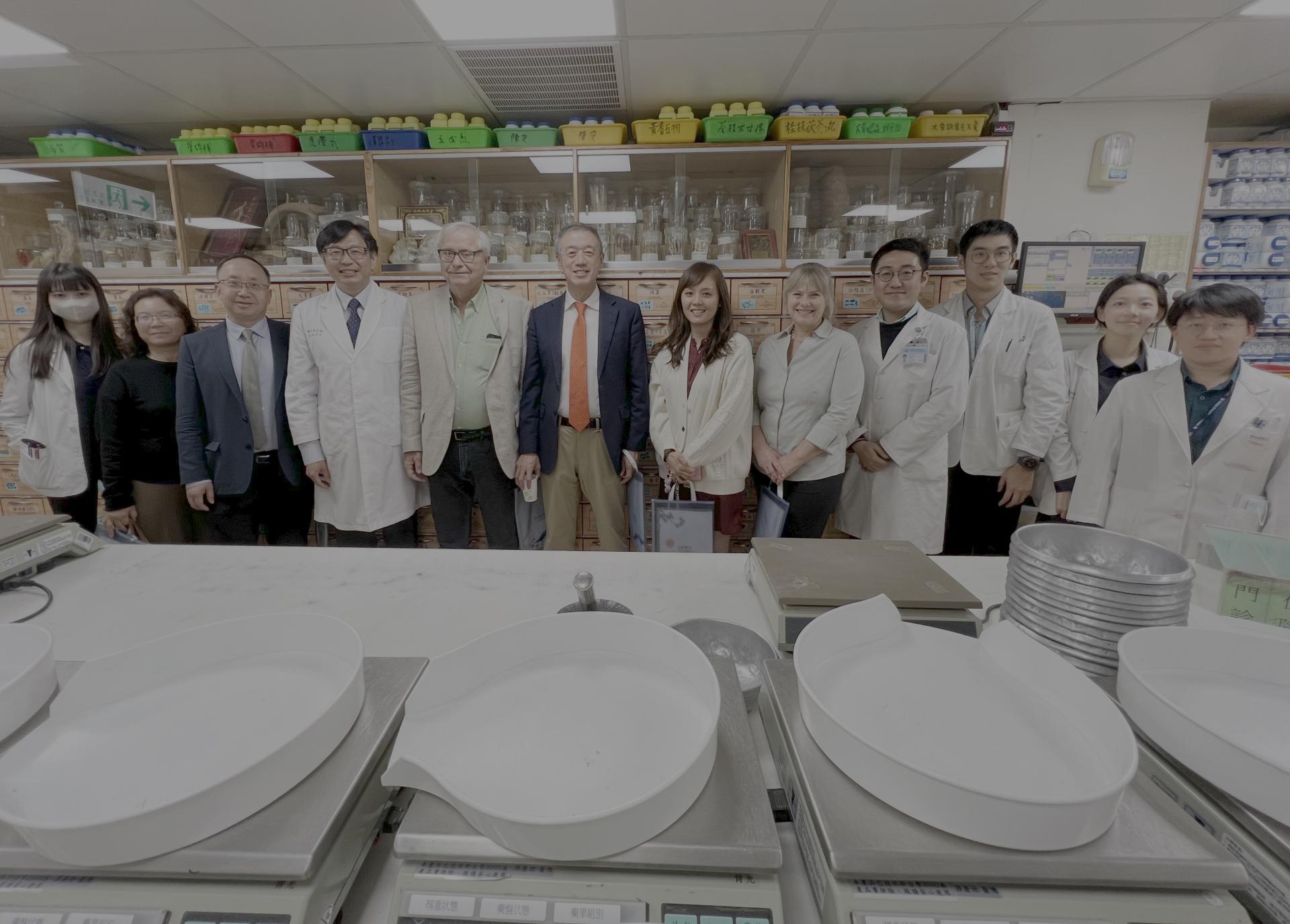
The program continued with visits to the Department of Chinese Medicine and the Chinese Pharmacy at CMUH, offering the guests firsthand insights into Taiwan's clinical Chinese medicine services, integrated East-West medical practice, and traditional Chinese medicine dispensing operations.
The delegation also visited the Hospital's Big Data Center, where Dr. Chin-Chi Kuo, Vice Superintendent of the Center, and Dr. Hsiu-Ying Chiang provided an overview of the hospital's iHi Platform. They highlighted its capabilities in healthcare big data management, clinical data analytics, and real-world research, showcasing the hospital's strengths in leveraging clinical data to advance medical research.
By leveraging this advanced research infrastructure, CMU and CMUH aim to further integrate Chinese medicine clinical records, cancer care data, and real-world evidence (RWE) to systematically investigate the effectiveness, safety, and patient outcomes associated with Chinese medicine and integrative healthcare interventions. Such efforts will help establish a stronger scientific foundation for integrative East-West medical care while creating new opportunities for international and interdisciplinary research collaboration.
Strengthening Global Partnerships in Chinese and Integrative Medicine
Dr. Hung-Rong Yen emphasized that the international advancement of Chinese medicine requires more than the exchange of traditional medical knowledge and clinical experience. It also depends on rigorous scientific investigation, evidence-based approaches, and interdisciplinary collaboration to facilitate the integration of Chinese medicine with modern healthcare systems and provide patients with more comprehensive, evidence-based care.
CMU and MSKCC have maintained a productive academic research partnership over the past several years. As part of this ongoing collaboration, Dr. Wan-Yu Lai, Assistant Professor in the School of Chinese Medicine at CMU and Director of the Department of Chinese Medicine Pediatric at CMUH, is currently undertaking advanced training at the Integrative Medicine Service of MSKCC. This initiative reflects the commitment of both institutions to international talent development, clinical knowledge exchange, and collaborative research.
Looking ahead, China Medical University and China Medical University Hospital will continue to leverage their strengths in integrative East-West medicine and healthcare big data to strengthen partnerships with leading international medical institutions. Through sustained efforts in scientific research, evidence generation, and global academic exchange, CMU aims to advance the international recognition of Chinese medicine and integrative healthcare, enhance Taiwan's contributions to the global medical community, and ultimately support more comprehensive, patient-centered care for cancer patients worldwide.