
China Medical University's College of Chinese Medicine Faculty, Students, and Alumni Featured on Taiwan Plus, Showcasing Innovation in Chinese Medicine Education on the Global Stage!

China Medical University (CMU)'s College of Chinese Medicine was recently featured in an exclusive interview by Taiwan Plus (Taiwan+), Taiwan's international English-language public television platform. The feature highlighted the College's innovative developments in virtual reality (VR)-based acupuncture education, digital tongue and pulse diagnosis systems, integrative clinical training, emerging medical technologies, and evidence-based acupuncture research. Through an inside look at its teaching and clinical environments, the program showcased Taiwan's growing international leadership in digital transformation and clinical innovation in Chinese medicine education.
As Taiwan's first international public television platform broadcasting in English to a global audience, Taiwan+ is dedicated to promoting Taiwan's cultural, educational, and healthcare achievements worldwide. The interview offered an in-depth look at the College's educational initiatives, capturing students' learning experiences, innovative teaching approaches, and the integration of traditional Chinese medicine (TCM) with contemporary medical practice.
Advancing Integrative Medicine Through International Collaboration
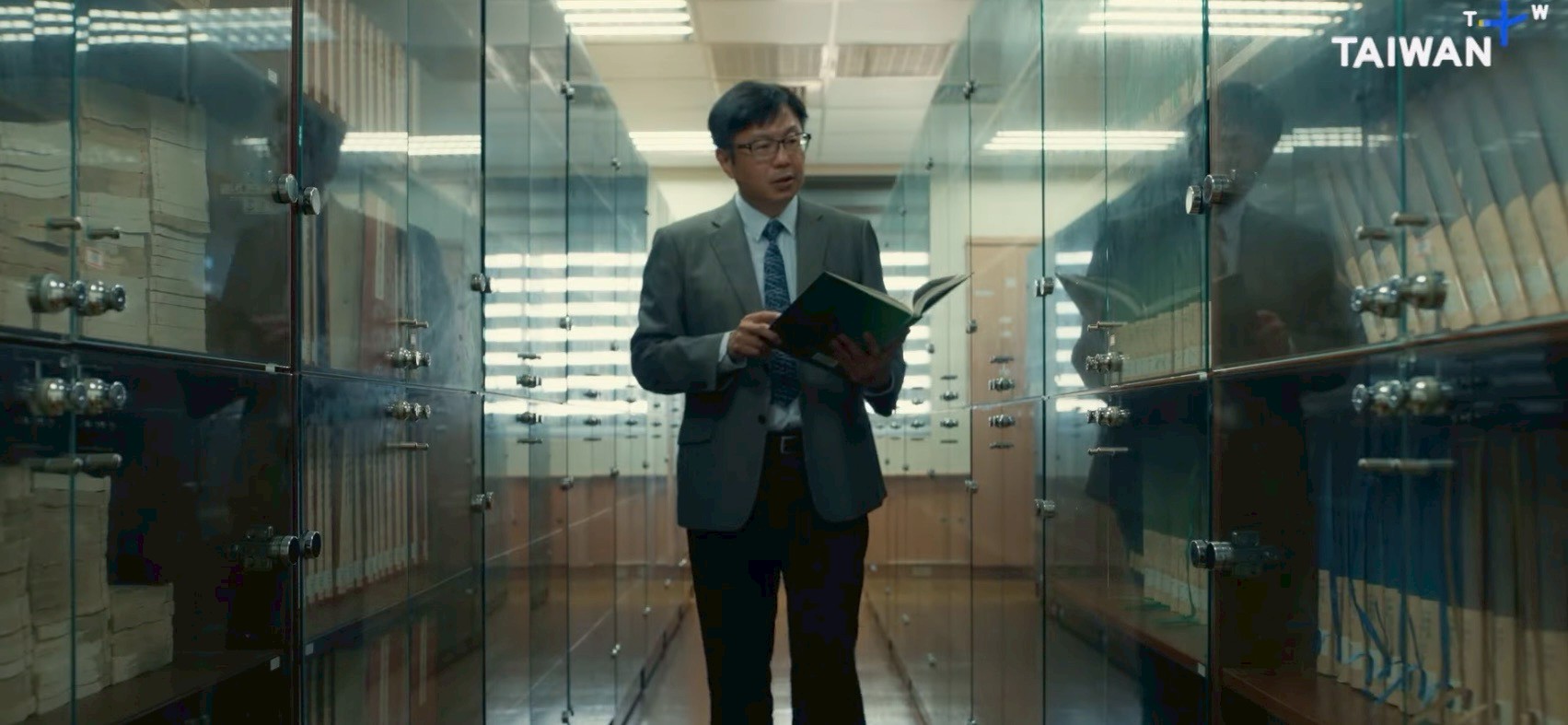
Dean Hung-Rong Yen emphasized that the College has long been committed to advancing integrative medicine and educational innovation. Through sustained partnerships with leading medical and academic institutions in the United States, Germany, Switzerland, Australia, South Korea, and other countries, the College continues to expand international collaboration in clinical research, academic exchange, and evidence-based medicine. These partnerships strengthen the global presence of Chinese medicine and demonstrate its distinctive contributions to modern healthcare.
Transforming Acupuncture Education Through Virtual Reality
One of the highlights of the feature was the College's Virtual Reality (VR) Acupuncture Teaching System, developed by the Department of Acupuncture with support from Taiwan's Higher Education Sprout Project.
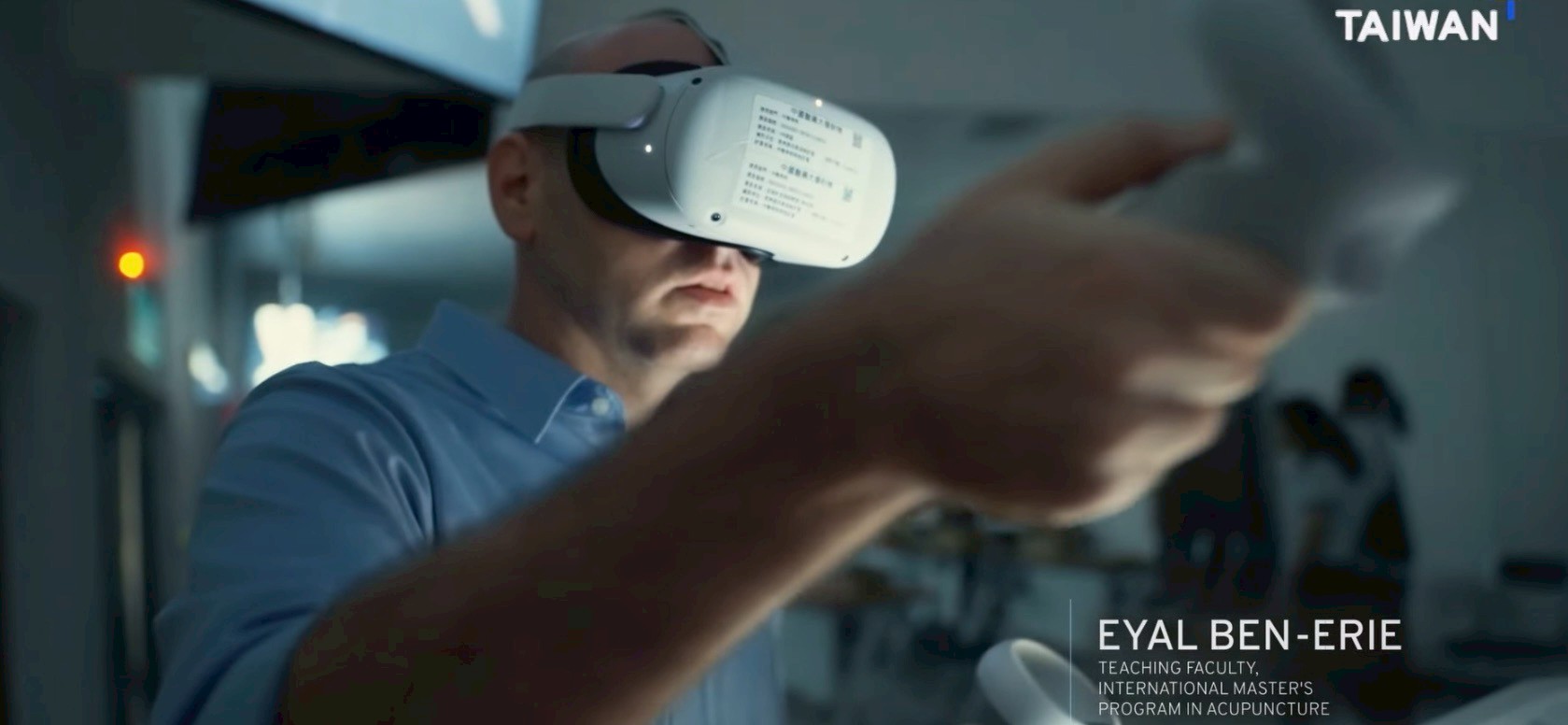
Through VR headsets and handheld controllers, students can explore the human body's major anatomical structures and twelve principal meridians in an immersive virtual environment, while practicing acupuncture point identification and simulated needling techniques.
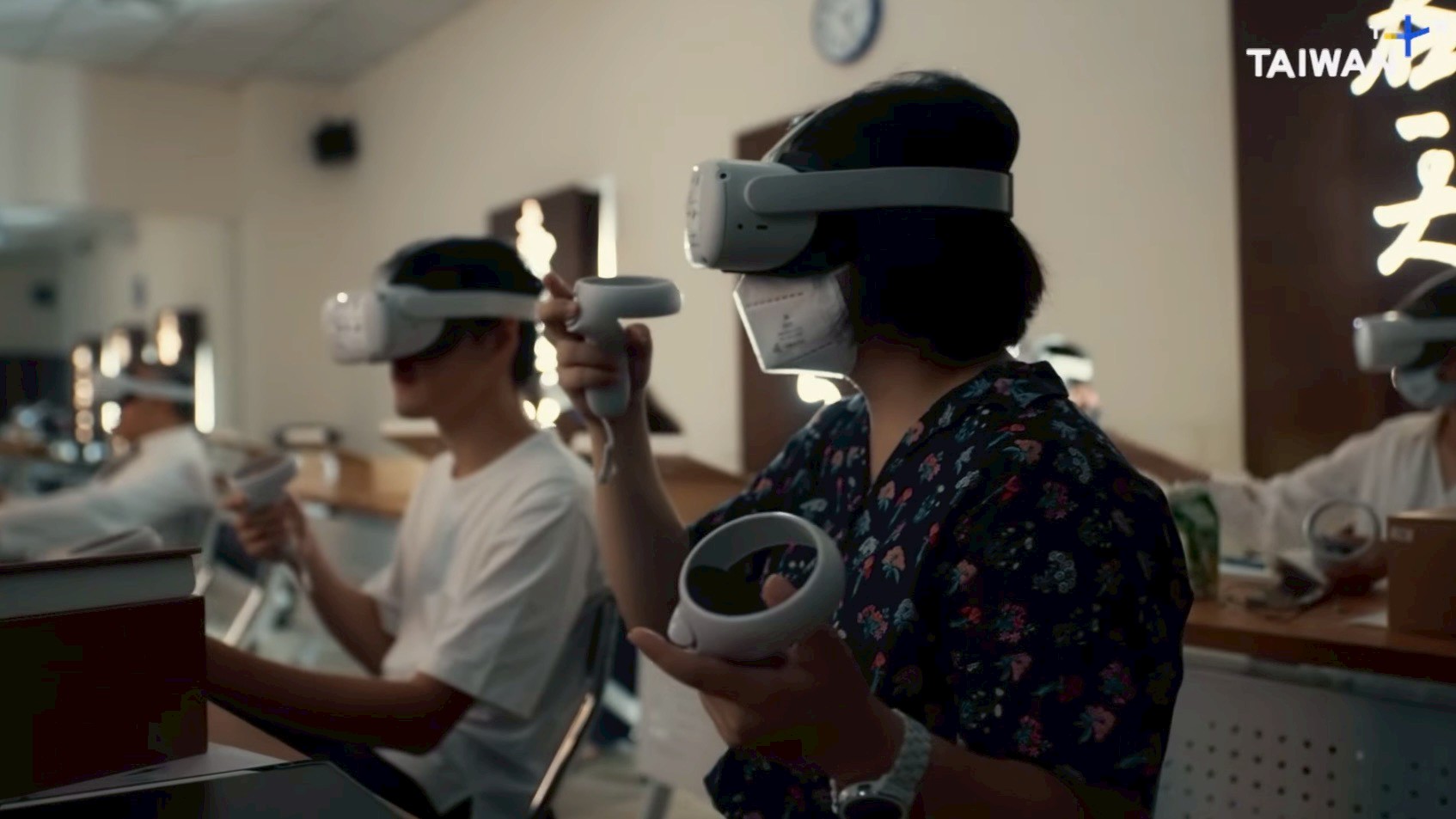
Dean Yen explained that traditional acupuncture training often requires students to practice needling on one another, which can cause anxiety and, in some cases, trigger needle-related fainting. The VR system provides detailed anatomical models and precise visualization of meridians and acupuncture points, allowing students to practice repeatedly in a safe, painless, and interactive environment. This innovative approach enhances learning effectiveness, builds practical confidence, and increases student engagement.
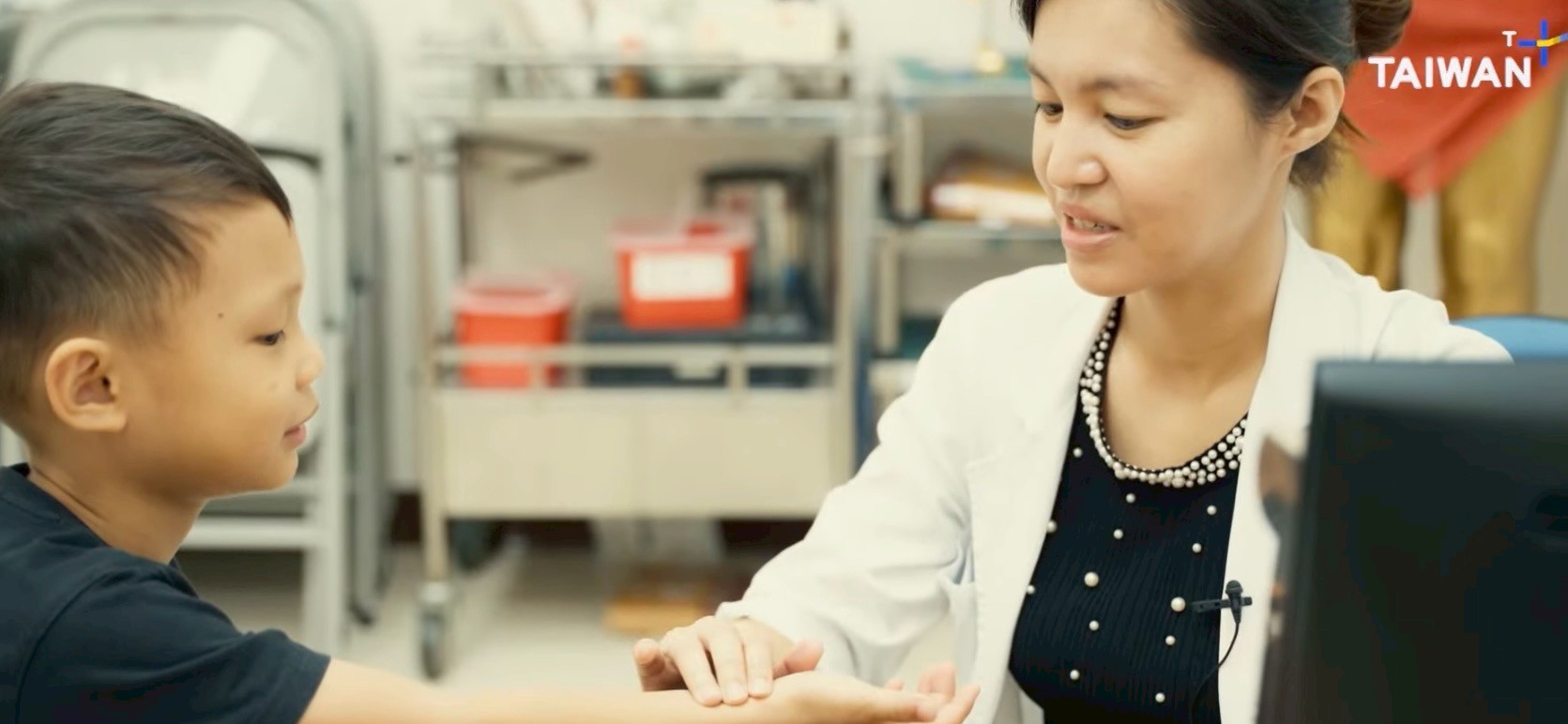
The program also featured faculty members guiding students through clinical training, demonstrating the College's commitment to developing both clinical competence and humanistic values in future healthcare professionals.
Integrating Eastern and Western Medicine in Clinical Practice
Professor Yu-Chen Lee, Chair of the Department of Acupuncture, highlighted the distinctive characteristics of the Taiwan Model of Acupuncture, which emphasizes close collaboration between Chinese and Western medicine. At CMU Hospital, acupuncture and TCM services are integrated into not only outpatient care but also inpatient wards and emergency departments, enabling more comprehensive and patient-centered treatment for individuals with diverse healthcare needs.
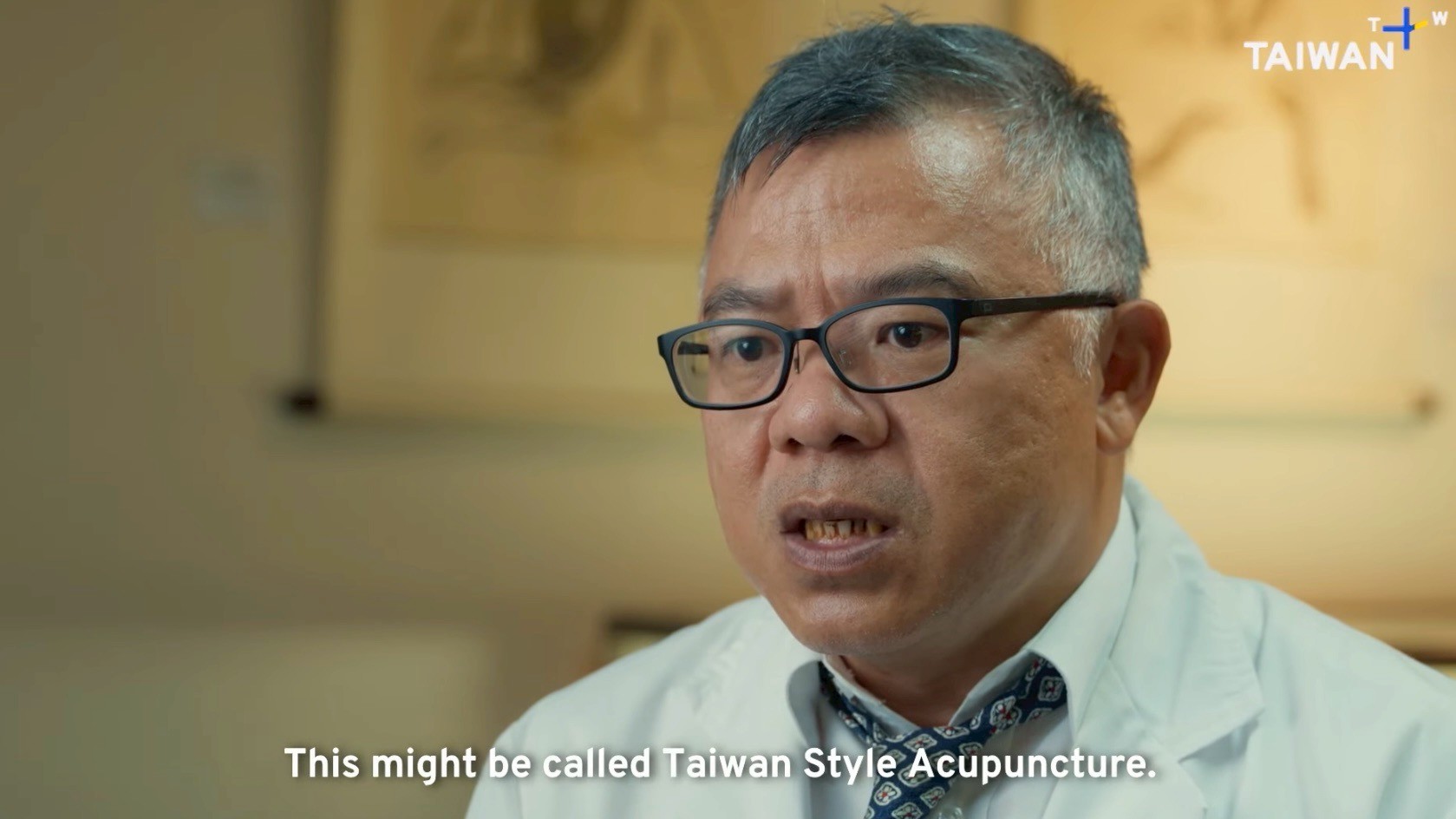
Assistant Professor Mei-Yao Wu, Chair of the Department of Internal Medicine in Chinese Medicine, further highlighted Taiwan's strengths in integrative medicine and the application of digital healthcare technologies. She noted that digital tongue and pulse diagnosis systems offer new opportunities to combine traditional diagnostic principles with modern technological innovations, supporting more precise and personalized approaches to healthcare.
Nurturing the Next Generation of Global Chinese Medicine Professionals
Beyond technological innovation, the interview also captured the daily academic and clinical experiences of CMU students, from classroom discussions and hands-on learning to clinical observation and practical training. These experiences reflect the College's comprehensive educational philosophy, which emphasizes the integration of traditional knowledge, biomedical sciences, clinical skills, and patient-centered care.
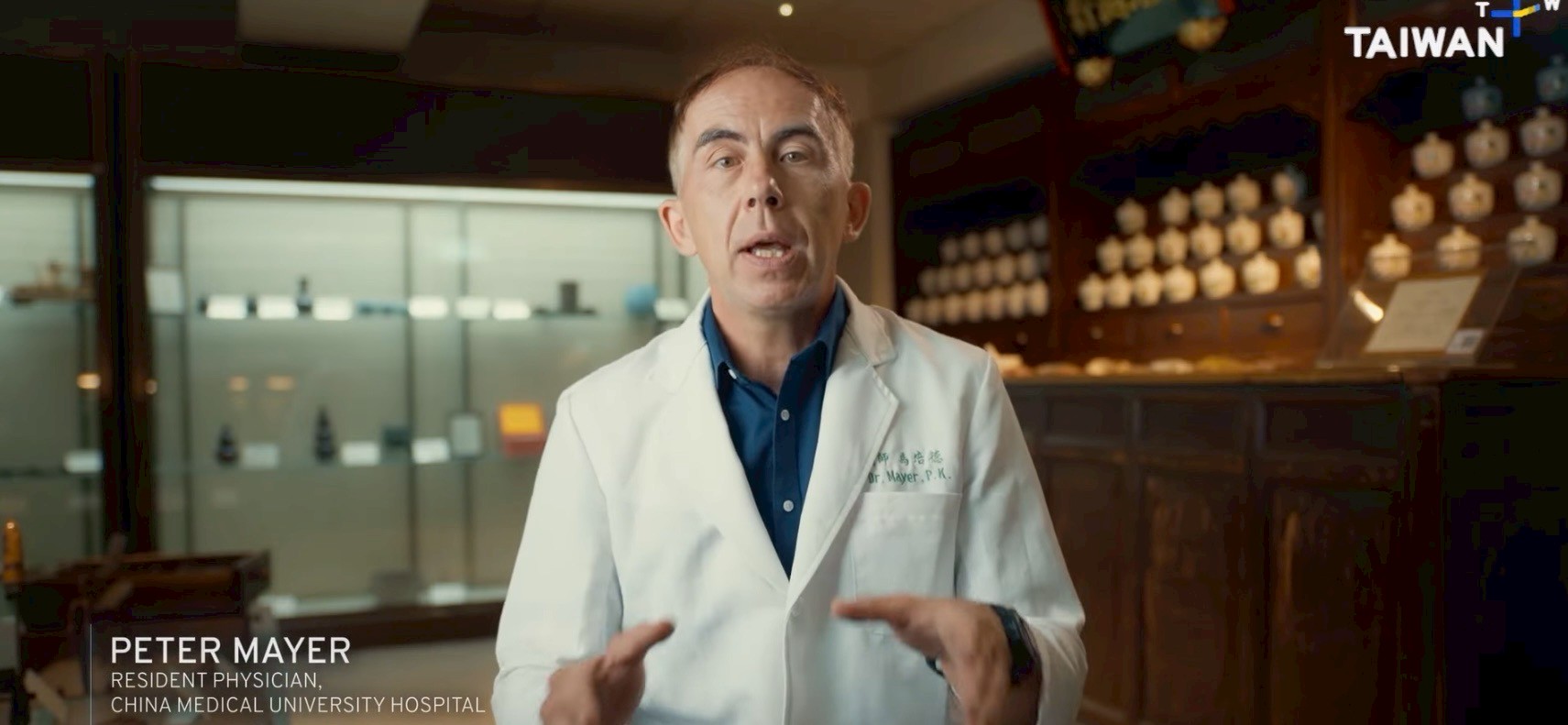
The Taiwan+ feature also highlighted the contributions of an outstanding faculty team, including Dean Hung-Rong Yen; Professor Vivienne Lo from University College London (UCL), United Kingdom; Professor Yu-Chen Lee, Chair of the Department of Acupuncture; Dr. Peter Mayer, Deputy Director of the International Master Program in Acupuncture (IMPA); Professor Mei-Yao Wu, Chair of the Department of Internal Medicine in Chinese Medicine; Dr. Ming-Cheng Huang, Assistant Professor in the Department of Acupuncture; and Dr. Eyal Ben-Arie, Assistant Professor of IMPA, along with alumni of the College.
Through the integration of traditional Chinese medicine, modern biomedical sciences, innovative educational technologies, and international academic collaboration, China Medical University's College of Chinese Medicine continues to strengthen its global engagement and advance the next generation of internationally minded Chinese medicine professionals.
Watch the Taiwan+ feature to discover how China Medical University is bringing innovation to Chinese medicine education and shaping the future of integrative healthcare.